NJShore Guide

Beach Cooler Buying Guide

New Jersey summer days get hot. This guide helps you choose the right cooler to keep your drinks cold and food fresh from sunrise to sunset at the Shore.

4Cooler Types
5Size Options
ExpertTips
Share

A good cooler can make or break your beach day. Nothing ruins a Jersey Shore trip faster than warm drinks and spoiled food. This guide covers everything from size selection to ice-packing techniques specifically for our hot, humid summer days.

Cooler Types Compared

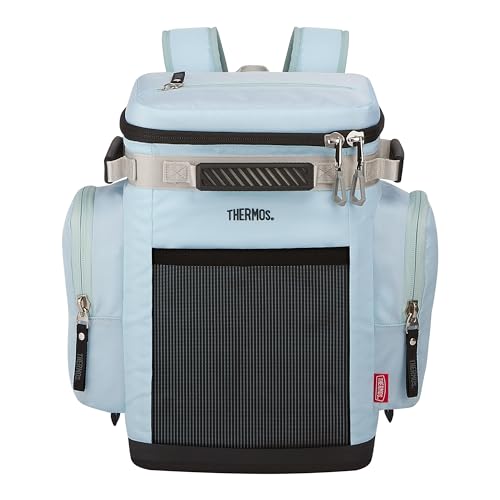
Soft Coolers

Day trips, easy transport, limited space

12-36 quartsIce: 12-24 hours

NJ Tip: Easier to carry across sand, fits under beach chairs

Pros

  • Lightweight
  • Foldable storage
  • Shoulder straps
  • No rust

Cons

  • Shorter ice life
  • Less durable
  • Cannot sit on
  • Limited capacity

Basic Hard Coolers

Budget-friendly beach days, family outings

20-70 quartsIce: 1-2 days

NJ Tip: Good for day trips when you just need cold drinks

Pros

  • Affordable
  • Durable
  • Can sit on
  • Drain plug

Cons

  • Heavy
  • Bulky
  • Moderate ice retention
  • No wheels usually

Wheeled Coolers

Long walks to beach, families, heavy loads

40-100 quartsIce: 1-3 days

NJ Tip: Essential for beaches with long walks from parking

Pros

  • Easy to pull
  • Large capacity
  • Saves your back
  • Telescoping handle

Cons

  • Wheels can struggle in soft sand
  • Heavier
  • Takes more space

Premium Rotomolded

Multi-day trips, fishing, camping

20-75 quartsIce: 3-7 days

NJ Tip: Overkill for beach days but great for charter fishing

Pros

  • Best ice retention
  • Extremely durable
  • Bear-resistant
  • Tie-downs

Cons

  • Expensive
  • Very heavy
  • Takes longer to cool down initially

Cooler Size Guide

SizePeopleDurationBest For
12-20 qt1-2Half dayDrinks only, quick trips
25-35 qt2-3Full dayDrinks and snacks
40-55 qt3-4Full dayFull lunch + drinks
60-75 qt4-6Full day+Family + extended day
100+ qt6+Multi-dayGroups, fishing trips, camping

Tip: Calculate 1-1.5 lbs of ice per person, plus space for food and drinks. It's better to have extra space than not enough.

Maximum Ice Retention Tips

Before You Leave

  • 1.Pre-chill the cooler - Add ice or frozen bottles the night before to cool the insulation
  • 2.Pre-chill everything - Refrigerate all food and drinks before packing
  • 3.Use block ice - Lasts 2-3x longer than cubed ice
  • 4.Layer strategically - Ice on bottom, food in middle, drinks on top

At the Beach

  • 1.Keep in shade - Under umbrella, tent, or towel is essential
  • 2.Minimize opening - Every open lets warm air in; know what you want first
  • 3.Keep it full - Air space = faster ice melt; fill gaps with extra ice
  • 4.Don't drain water - Ice water is still cold and insulates remaining ice

Pro Tip: The 2-Cooler System

For family beach days, use two coolers: a smaller one for drinks (opened frequently) and a larger one for food (opened only at mealtimes). This keeps your food cooler colder since drinks are accessed most often.

Beach-Friendly Features to Look For

Transport

  • Wide wheels (6"+ diameter) for soft sand
  • Padded shoulder straps for soft coolers
  • Telescoping handle for wheeled models
  • Comfortable side handles

Durability

  • UV-resistant materials (won't crack in sun)
  • Rust-proof hinges and hardware
  • Reinforced bottom for sand
  • Salt-resistant zippers (soft coolers)

Convenience

  • Non-slip lid (can sit on safely)
  • Tie-down slots for umbrellas/gear
  • External pockets for dry items
  • Bottle opener built-in

Cooler Budget Guide

Budget

$30-75

Basic hard coolers and entry-level soft coolers. Good for occasional beach days.

  • • 12-24 hour ice retention
  • • Basic insulation
  • • Adequate for day trips

Mid-Range

$75-200

Quality wheeled coolers and good soft coolers. Best value for regular beach-goers.

  • • 2-3 day ice retention
  • • Better insulation and seals
  • • Beach-friendly features

Recommended for most NJ beach-goers

Premium

$250+

Rotomolded coolers (Yeti, RTIC, Pelican). Best for multi-day trips and fishing.

  • • 5-7+ day ice retention
  • • Extremely durable
  • • Bear-proof certified

Cooler Care Tips

After Each Use

  • • Rinse with fresh water
  • • Drain completely
  • • Wipe down exterior

Weekly Cleaning

  • • Baking soda + water scrub
  • • Clean gaskets/seals
  • • Check for mold spots

Deep Cleaning

  • • Diluted bleach solution
  • • Rinse thoroughly
  • • Air dry with lid open

Storage

  • • Store with lid cracked open
  • • Keep out of direct sun
  • • Avoid extreme temperatures

Beach Day Tips & Gear Deals

Get beach packing lists, gear recommendations, and exclusive deals for Jersey Shore summer days.

What interests you? (optional)

No spam. Unsubscribe anytime.

Cooler FAQs

What size cooler do I need for a day at the beach?

For a family of four on a full beach day, a 45-65 quart cooler works well. Plan for 1-1.5 lbs of ice per person plus space for drinks and food. Solo or couple trips need 20-35 quarts. Remember that NJ beaches get hot - more ice capacity means longer cold retention.

Is a premium cooler worth the extra cost?

Premium rotomolded coolers (Yeti, RTIC, etc.) keep ice 3-5 days versus 1-2 days for basic coolers. For NJ beach days, a mid-range cooler is usually sufficient since you only need one-day performance. Premium coolers make more sense for multi-day fishing or camping trips.

How do I keep my cooler cold longer at the beach?

Pre-chill your cooler with ice or frozen bottles the night before. Use block ice (lasts longer than cubed) on the bottom. Keep the cooler in shade, ideally under an umbrella or tent. Open it as infrequently as possible. A white or light-colored cooler reflects more heat.

Should I get a hard cooler or soft cooler for the beach?

Soft coolers are lighter and easier to carry across sand but hold ice for shorter periods (8-24 hours). Hard coolers are heavier but keep ice longer and can double as seats. For NJ beach days, a quality soft cooler often makes more sense due to easier transport.

What features matter most for beach coolers?

Look for: wheels or shoulder straps for sand transport, tie-down points for umbrellas, non-slip lid for seating, drain plug for water removal, and UV-resistant materials. Sand-friendly wheels (larger, wider) are a big plus for NJ beaches.

How do I clean a cooler after the beach?

Rinse with fresh water immediately after each use. For deep cleaning, use a mixture of water and baking soda or diluted bleach (1 tablespoon per gallon). Scrub, rinse thoroughly, and dry completely with the lid open. Salt air and sand accelerate wear if not cleaned.

Related Guides

More Beach Gear Content

Some links on this page are affiliate links. We may earn a commission if you make a purchase, at no extra cost to you.

Learn more →