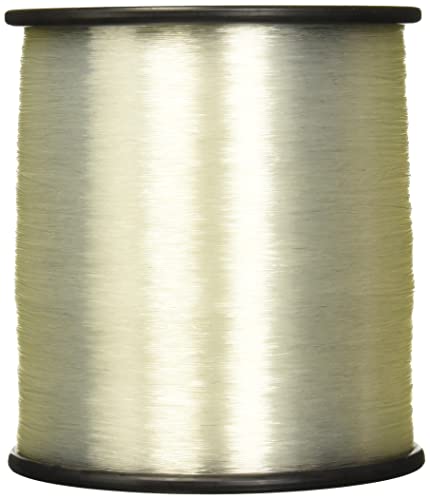
Fishing Line Types Compared
Choose the right line for your target species. We compare monofilament, braided, and fluorocarbon lines for saltwater fishing at the Jersey Shore.
Your fishing line is the direct connection between you and the fish. The wrong line can cost you the catch of a lifetime, while the right choice gives you sensitivity, strength, and stealth. Here's how monofilament, braided, and fluorocarbon compare for Jersey Shore fishing.
Quick Line Selector
Beginner/All-Around
Easy to use, forgiving
Monofilament 10-15 lb test. Affordable, ties easily, good for learning.
$5-12/spool
Experienced/Performance
Maximum sensitivity
Braided 20-50 lb with fluoro leader. Best feel, longest casts, no stretch.
$15-30/spool
Finesse/Clear Water
Nearly invisible
Fluorocarbon as leader or mainline. Best for line-shy fish in clear conditions.
$12-40/spool
Fishing Line Types Compared
| Property | Monofilament | Braided | Fluorocarbon |
|---|---|---|---|
| Price (150yd spool) | $5-12 (cheapest) | $15-30 (mid) | $12-40 (varies) |
| Stretch | High (25-30%) | None (0%) | Low (10-15%) |
| Visibility | Visible | Highly visible | Nearly invisible |
| Sensitivity | Low-Medium | Highest | Medium-High |
| Abrasion Resistance | Medium | Low | Highest |
| Knot Strength | Excellent | Good (needs practice) | Good (needs moisture) |
| Memory | Medium | None | High |
| Diameter (same strength) | Thickest | Thinnest | Medium |
| Floats/Sinks | Floats | Sinks slowly | Sinks fast |
Monofilament Line: Deep Dive
Pros of Monofilament
- ✓Affordable: $5-12 per spool, easy to replace often
- ✓Easy knots: Ties well with basic knots, forgiving
- ✓Stretch absorbs shock: Protects light tackle, forgives mistakes
- ✓Floats: Great for topwater lures and float rigs
- ✓Beginner friendly: Easy to manage, minimal tangles
Cons of Monofilament
- ✗UV degradation: Weakens in sunlight, replace yearly
- ✗Thick diameter: Less line capacity, shorter casts
- ✗Memory: Develops coils over time
- ✗Low sensitivity: Hard to feel light bites
- ✗Visible to fish: Can spook line-shy species
Braided Line: Deep Dive
Pros of Braided Line
- ✓Zero stretch: Maximum sensitivity, feel every nibble
- ✓Thin diameter: More line capacity, longer casts
- ✓No memory: Lays perfectly on reel, no coiling
- ✓Long lasting: 2-3 years with proper care
- ✓Powerful hooksets: No energy lost to stretch
Cons of Braided Line
- ✗Highly visible: Fish can see it, need leader
- ✗Knot challenges: Requires special knots, can slip
- ✗Unforgiving: No shock absorption, can pull hooks
- ✗Can dig in: Under pressure, bites into itself on spool
- ✗Wind knots: Backlashes are harder to undo
Best Line For Your Fishing Style
Surf Fishing
30-50 lb braid + 40 lb fluoro leader - Braid's thin diameter means longer casts. Leader protects against abrasion from shells and teeth.
Species: Stripers, Blues, Drum
Boat/Bay Fishing
20-30 lb braid + 20-30 lb fluoro leader - Sensitivity for bottom bites, strength for structure, leader for finicky fish.
Species: Fluke, Tog, Seabass
Offshore Trolling
50-80 lb mono or 80-130 lb braid - Mono's stretch helps with big game hooksets. Braid for deep dropping and jigging.
Species: Tuna, Mahi, Marlin
Jetty/Structure
40-50 lb braid + heavy fluoro leader - Need abrasion resistance for rocks and barnacles. Heavier leader prevents cutoffs.
Species: Tog, Sheepshead
Light Tackle/Finesse
8-12 lb fluoro or light braid + fluoro - Invisible presentation for spooky fish. Fluorocarbon sinks for natural action.
Species: Weakfish, Speckled Trout
Budget/Beginner
12-15 lb mono - Trilene XL or Berkley Big Game. Affordable, easy to use, good for learning. Upgrade to braid after a season.
All-Around Use
Essential Knots for Each Line Type
Monofilament Knots
- • Improved Clinch - Hooks & lures
- • Palomar - Strong, easy
- • Surgeon's Loop - Loop connections
- • Blood Knot - Line to line
Braided Line Knots
- • FG Knot - Braid to fluoro (best)
- • Double Uni - Line to leader
- • Palomar - Hooks (double line)
- • Alberto Knot - Quick leader tie
Fluorocarbon Tips
- • Wet the line before tightening
- • Extra wraps on clinch knots
- • Seat slowly - fluoro cracks if rushed
- • Test every knot before fishing
Line Tips for NJ Saltwater
Bluefish Teeth
Blues will cut through anything. Use 40+ lb fluoro leader or wire for lures. Check your leader after every fish - replace at first nick.
Clear vs Murky Water
NJ bays can be murky - use heavier leader without worry. In clear ocean water or for fluke, drop to lighter, longer fluorocarbon leaders.
Jetty & Structure
NJ's jetties are covered in mussels and barnacles. Use heavy fluoro leader (30-50 lb) and check for abrasion frequently. Replace liberally.
Seasonal Considerations
Replace mono every spring before the season. Cold water makes fluoro stiffer - use lighter leaders in winter for better action on lures.
Fishing Tips & Tackle Deals
Weekly fishing reports and gear recommendations for NJ anglers.
No spam. Unsubscribe anytime.
Fishing Line FAQs
What fishing line is best for beginners?▼
Monofilament is the best choice for beginners. It's affordable, forgiving of mistakes, easy to tie knots with, and has enough stretch to absorb shock when fighting fish. Start with 10-15 lb test mono for general saltwater use at the Jersey Shore.
When should I use braided line vs monofilament?▼
Use braided line when you need maximum sensitivity, longer casts, or are fishing heavy cover. Mono works better for topwater lures (it floats), when fish are line-shy, or when you want forgiveness in your hookset. Many anglers use braid with a fluorocarbon leader as a hybrid approach.
Is fluorocarbon line worth the extra cost?▼
Fluorocarbon is worth it as a leader material because it's nearly invisible underwater and more abrasion-resistant than mono. As mainline, it's expensive and has more memory. Most anglers get the best value using fluorocarbon only for leaders (2-4 feet).
What pound test line should I use for surf fishing in NJ?▼
For NJ surf fishing, use 15-20 lb mono or 30-50 lb braid with a 30-40 lb fluorocarbon leader. This handles stripers, bluefish, and the occasional shark while still allowing good casting distance. Lighter setups (10-15 lb) work for fluke and smaller species.
How often should I replace my fishing line?▼
Replace monofilament every season or after 20-30 trips (it degrades from UV and salt). Braided line lasts 2-3 years with regular use if you strip off the first 10 feet occasionally. Fluorocarbon leaders should be replaced after every few fish or if you notice any nicks.
Related Guides
More Fishing Content
Some links on this page are affiliate links. We may earn a commission if you make a purchase, at no extra cost to you.
Learn more →