NJShore Guide

Fishing Reel Selection Guide

From surf spinning reels to offshore conventional setups, choosing the right reel makes all the difference. This guide covers reel types, sizes, and recommendations for NJ fishing.

4Reel Types
7NJ Species
ExpertLocal Tips
Share

Your fishing reel is the heart of your tackle setup. New Jersey's diverse fishing opportunities - from back bay fluke to offshore tuna - require different reel types and sizes. This guide helps you choose the right reel for your target species and fishing style.

Fishing Reel Types Compared

Spinning Reel

The most versatile and beginner-friendly option. Spool spins to release line.

$40-400Sizes: 1000-8000
Best For: Beginners, surf fishing, inshore, light to medium tackle
NJ Applications:
Surf castingJetty fishingBack bayFluke jiggingStriped bass
Pros
  • Easy to learn
  • Versatile
  • Good for light lines
  • Less backlash
  • Works with all rod angles
Cons
  • Less power than conventional
  • Line twist can occur
  • Slower retrieval on larger sizes

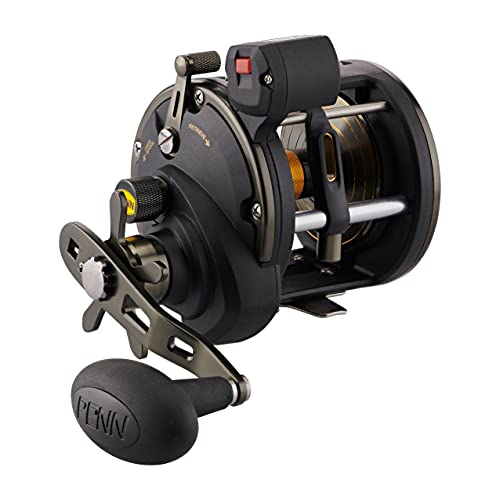
Conventional (Baitcasting) Reel

Sits on top of rod, spool rotates during cast. More control and power.

$80-800Sizes: 10-80 class
Best For: Offshore fishing, trolling, heavy bottom fishing, experienced anglers
NJ Applications:
Tuna fishingWreck fishingTrollingChunkingDeep dropping
Pros
  • More power
  • Better drag systems
  • Precise casting
  • Handles heavy line
  • Great for big fish
Cons
  • Steeper learning curve
  • Backlash prone
  • Generally heavier
  • More expensive

Baitcaster Reel

Compact conventional reel for casting. Popular for bass fishing.

$50-350Sizes: 100-400
Best For: Precision casting, artificial lures, moderate fish size
NJ Applications:
Largemouth bassLight striped bassInshore castingStructure fishing
Pros
  • Accurate casting
  • Good cranking power
  • Works well with heavier lures
  • Low profile design
Cons
  • Backlash requires practice
  • Not ideal for light lures
  • Limited line capacity

Spincast Reel

Enclosed spool, push-button release. Simplest reel type.

$15-60Sizes: Small to medium
Best For: Kids, ultra-beginners, casual fishing
NJ Applications:
Kids fishing programsPanfishPier fishing for small species
Pros
  • Easiest to use
  • No tangles
  • Affordable
  • Great for teaching kids
Cons
  • Limited casting distance
  • Weak drag
  • Not for larger fish
  • Less durable

Spinning Reel Size Guide

SizeLine CapacityBest ForNJ Use
1000-2500100-150yds 6-10lbPanfish, trout, small speciesBack bay snappers, small fluke
3000-4000150-200yds 10-15lbGeneral inshore, light surfFluke, weakfish, light stripers
5000-6000200-300yds 15-20lbSurf fishing, larger inshoreStriped bass, bluefish, surf
8000-10000300-400yds 20-30lbHeavy surf, light offshoreBig stripers, light tuna, sharks

Note: Size designations vary by manufacturer. A Shimano 4000 may differ slightly from a Penn 4000. Always check line capacity specs when comparing brands.

Reel Recommendations by NJ Species

SpeciesReel Type & SizeLineNotes
Striped Bass (Surf)Spinning 5000-800030-50lb braidLong casts required, need strong drag
Striped Bass (Boat)Spinning 4000-600020-30lb braidLighter setup sufficient
BluefishSpinning 4000-600020-30lb braidWire leader needed, heavy drag use
FlukeSpinning 3000-400015-20lb braidSensitive tip for bite detection
Tuna (Offshore)Conventional 30-50 class50-80lb braidHigh capacity, strong drag essential
Sea BassConventional 20-30 class30-50lb braidBottom fishing, moderate drag
WeakfishSpinning 2500-400010-15lb braidLight touch needed, soft mouths

Spinning vs Conventional: Quick Decision

Choose Spinning If...

  • You're a beginner or casual angler
  • Fishing surf, jetties, or back bays
  • Targeting stripers, blues, fluke, weakfish
  • Using lighter lines (under 30lb)
  • Casting artificial lures frequently

Choose Conventional If...

  • You have casting experience
  • Fishing offshore on party/charter boats
  • Targeting tuna, shark, or large bottom fish
  • Trolling or deep dropping
  • Need maximum drag power and line capacity

Key Features to Consider

Drag System

The drag controls line release during fights. For NJ saltwater, look for sealed drags with at least 15lb max drag for inshore and 30lb+ for offshore. Smooth drag prevents line breaks.

Gear Ratio

Higher ratios (6.2:1+) retrieve line faster - good for topwater and quick pickups. Lower ratios (5.2:1 or less) provide more cranking power for heavy lures and bottom fishing.

Ball Bearings

More bearings generally means smoother operation. For saltwater, quality matters more than quantity. Look for stainless steel or shielded bearings that resist corrosion.

Saltwater Rating

Essential for NJ fishing. Saltwater-rated reels have corrosion-resistant materials and sealed components. Never use freshwater reels in salt - they will fail quickly.

Line Capacity

Match capacity to your fishing. Surf fishing needs 200+ yards of braid. Offshore may need 400+. Check capacity for braided line specifically, as it differs from mono.

Build Quality

Aluminum or carbon fiber bodies are lighter and stronger than plastic. Machined components last longer than cast parts. For heavy use, invest in quality.

Saltwater Reel Maintenance

Salt destroys fishing reels faster than anything else. These habits will extend your reel's life from 1-2 years to 5+ years:

After Every Trip

  • • Rinse with fresh water
  • • Wipe down exterior
  • • Let dry completely before storage

Monthly

  • • Light oil on handle knobs
  • • Check line for damage
  • • Inspect drag operation

Seasonally

  • • Replace old line
  • • Grease main gear if accessible
  • • Check for bearing roughness

Annually

  • • Professional service for heavy use
  • • Replace worn drag washers
  • • Full bearing inspection

Budget Guide

Entry Level

$40-80

Basic saltwater-rated reels suitable for occasional fishing. Good for beginners testing the waters.

  • • Penn Pursuit, Shimano Sienna
  • • Good for back bay and pier
  • • 2-3 year lifespan typical

Mid-Range

$100-200

Quality construction with better drags, smoother operation, and improved durability for regular use.

  • • Penn Battle, Shimano Stradic, Daiwa BG
  • • Great for surf and inshore
  • • 4-5 year lifespan with care

Recommended for regular NJ anglers

Premium

$250+

Professional-grade reels with superior drag systems, lightweight materials, and exceptional durability.

  • • Shimano Saragosa, Penn Slammer, Van Staal
  • • Built for heavy offshore use
  • • 10+ year lifespan possible

Fishing Reports & Gear Tips

Get weekly fishing reports, gear reviews, and exclusive deals for NJ anglers.

What interests you? (optional)

No spam. Unsubscribe anytime.

Fishing Reel FAQs

What type of fishing reel is best for beginners in NJ?

Spinning reels are the best choice for beginners. They are easier to cast, less prone to tangles, and work well for most NJ species including striped bass, bluefish, and fluke. A 3000-4000 size spinning reel paired with a medium power rod covers most situations from surf to bay fishing.

What size spinning reel do I need for surf fishing in NJ?

For NJ surf fishing, use a 5000-8000 size spinning reel. This size holds enough line (200+ yards of 20-30lb braid) for long casts and has the drag power to handle striped bass and bluefish. Pair it with a 9-11 foot surf rod for best casting distance.

Should I use braided or monofilament line?

Braided line is preferred for most NJ fishing. It casts farther, has no stretch for better hook sets, and lasts longer. Use 20-30lb braid for general use or 50lb+ for surf fishing. Add a fluorocarbon leader (15-40lb) to prevent line visibility and abrasion on rocks and jetties.

What is the difference between spinning and conventional reels?

Spinning reels hang below the rod and are easier to cast - ideal for beginners and lighter tackle. Conventional reels sit on top of the rod and provide more power for larger fish but require practice to avoid backlash. Use conventional for offshore trolling and bottom fishing in NJ.

Do I need a saltwater-specific reel for NJ fishing?

Yes, always use saltwater-rated reels for NJ ocean and bay fishing. Saltwater corrodes freshwater reels quickly. Look for sealed bearings, corrosion-resistant materials, and rinse your reel with fresh water after every trip to extend its life.

What gear ratio should I choose for my fishing reel?

For most NJ fishing, a medium gear ratio (5.5:1 to 6.2:1) works well for versatility. Use high-speed reels (6.5:1+) for topwater lures and fast retrieves. Use low-speed reels (4.5:1 or lower) for trolling and cranking heavy lures. Match your gear ratio to your primary fishing style.

Related Guides

More Fishing Content

Some links on this page are affiliate links. We may earn a commission if you make a purchase, at no extra cost to you.

Learn more →