NJShore Guide

Polarized Sunglasses Guide

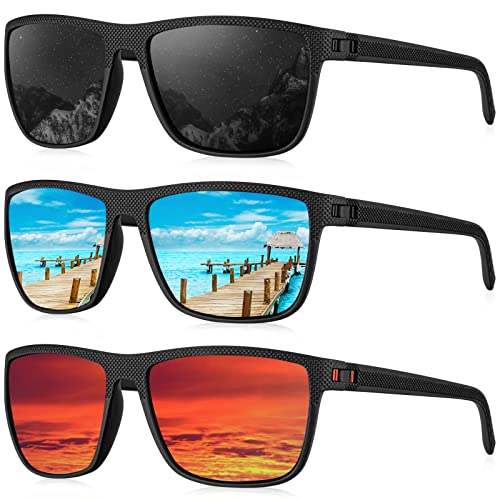
The right sunglasses protect your eyes and help you see fish, structure, and conditions that others miss. This guide covers lens colors, polarization, and features for NJ fishing and beach activities.

5Lens Colors
6NJ Activities
UV400Protection
Share

Quality polarized sunglasses are one of the most important investments for anglers and beachgoers. They protect your eyes from harmful UV rays and glare while giving you the ability to see beneath the water's surface. For NJ fishing, the right lens color can help you spot stripers, read structure, and track your bait.

Why Polarization Matters

What Polarization Does

Polarized lenses contain a special filter that blocks horizontal light waves - the kind that create glare when sunlight bounces off water, sand, and other flat surfaces.

  • Eliminates surface glare from water
  • Allows you to see beneath the surface
  • Reduces eye strain and fatigue
  • Enhances color and contrast

UV vs Polarization

These are different features - make sure your glasses have both:

  • UV Protection:Blocks harmful UV rays that cause cataracts and eye damage. Look for UV400 or 100% UV.
  • Polarization:Reduces glare for visual comfort and underwater visibility. Performance feature.

Warning: Cheap sunglasses with dark lenses but no UV protection are worse than no sunglasses - pupils dilate, letting in more UV.

Lens Color Guide

Lens ColorBest ConditionsVLTNJ Use
Copper/AmberRecommendedVariable conditions, partly cloudy, sunrise/sunset15-25%Fluke fishing, back bay, jetties, all-around
GrayFull sun, minimal clouds10-15%Offshore tuna trips, bright beach days
GreenVariable to bright conditions12-20%Boat fishing, moderate conditions
Blue MirrorVery bright, offshore glare10-15%Canyon trips, bluewater fishing
Yellow/RoseLow light, foggy, rainy25-40%Early morning surf fishing, fog

VLT (Visible Light Transmission) indicates how much light passes through. Lower VLT means darker lenses for brighter conditions. 15-25% is ideal for most NJ fishing.

Frame Features for Water Activities

Wraparound Design

Essential

Blocks peripheral light and side glare. Critical for water reflection.

Rubber Grips

Essential

Nose pads and temple tips that grip when wet. Prevents slipping.

Ventilation

Important

Prevents fogging in humid NJ summer conditions.

Floating Capability

Optional

Some frames float naturally. Otherwise use a floating retainer.

Spring Hinges

Nice to have

More durable, better fit range, comfortable for long days.

Impact Resistance

Important

ANSI Z87+ rated for protection from hooks and equipment.

Glass vs Polycarbonate Lenses

Glass Lenses

  • Superior optical clarity
  • Scratch resistant
  • Better polarization quality
  • Heavier
  • Can shatter on impact
  • More expensive

Best for: Serious anglers prioritizing visibility

Polycarbonate Lenses

  • Lightweight and comfortable
  • Impact resistant (safer)
  • More affordable
  • Scratches easier
  • Slightly less clarity
  • May warp in extreme heat

Best for: Active use, kayaking, kids, budget-conscious

Recommendations by NJ Activity

ActivityLens ColorFrame StyleNotes
Surf FishingCopper/AmberWraparound with rubber gripsNeed to spot structure, baitfish; salt spray protection critical
Offshore TunaGray or Blue MirrorFull coverage, retainer requiredIntense glare reduction, need to spot tuna schools
Back Bay FlukeCopper/AmberLightweight, ventedSee bottom structure, spot drifting bait
Beach DayGray or BrownCasual style acceptableUV protection most important, style matters
Kayak FishingCopper/AmberFloatable or with retainer, secure fitHigh flip risk, need floating solution
Jetty/PierCopper/AmberSide shields, impact ratedFlying hooks, spray, need protection and visibility

Saltwater Care Tips

Salt, sand, and sun destroy sunglasses faster than normal wear. Proper care extends their life significantly:

Daily Care

  • • Rinse with fresh water after use
  • • Use microfiber cloth only
  • • Store in hard case

Avoid

  • • Paper towels (scratch lenses)
  • • Dashboard storage (heat warps)
  • • Household cleaners (damage coating)

On the Water

  • • Use a floating retainer
  • • Rinse immediately if splashed
  • • Keep backup pair on boat

Storage

  • • Hard case prevents crushing
  • • Cool, dry location
  • • Lenses facing up

Budget Guide

Budget

$25-60

Basic polarized protection. Good for casual beach days and backup pairs. Plastic frames and lenses.

  • • Adequate for occasional use
  • • Basic polarization
  • • 1-2 year typical lifespan

Mid-Range

$80-150

Quality polarization with better frames. Good balance of performance and value for regular anglers.

  • • Better optical quality
  • • More durable frames
  • • 2-4 year lifespan

Recommended for most NJ anglers

Premium

$180+

Glass lenses, superior polarization, durable construction. For serious sight fishing and daily use.

  • • Costa, Maui Jim, Smith
  • • Best underwater visibility
  • • 5+ year lifespan

Fishing & Beach Gear Tips

Get gear reviews, fishing reports, and exclusive deals for the Jersey Shore.

What interests you? (optional)

No spam. Unsubscribe anytime.

Sunglasses FAQs

Why do I need polarized sunglasses for fishing?

Polarized lenses cut glare off the water surface, allowing you to see beneath the surface. This is critical for sight fishing, spotting baitfish, structure, and reading water conditions. For NJ fluke fishing in clear bays, polarized glasses can mean the difference between spotting fish and blind casting.

What lens color is best for fishing?

Copper/amber lenses are most versatile for fishing - they enhance contrast and work well in most light conditions. Gray lenses are better for bright sunny days on open water. Green/blue mirrors are good for offshore in intense sun. Yellow/rose lenses help in low light conditions like dawn and dusk.

What is the difference between polarized and UV protection?

UV protection blocks harmful ultraviolet rays that can damage your eyes - look for 100% UV or UV400 protection. Polarization reduces glare from reflective surfaces. You need both: UV protection for eye health, polarization for visual performance. These are separate features - a lens can have one without the other.

Are expensive fishing sunglasses worth it?

For serious anglers, yes. Premium brands like Costa, Smith, and Maui Jim use superior polarization technology that dramatically improves underwater visibility. Glass lenses offer better clarity than polycarbonate. For occasional beachgoers, mid-range polarized glasses ($50-100) provide good protection.

What frame style is best for fishing and boating?

Wraparound frames block peripheral light and prevent glare from sneaking in the sides. Rubber nose pads and temple tips prevent slipping when wet. A floating strap is essential on boats. For NJ surf fishing, look for frames that stay put in wind and spray.

How do I care for polarized sunglasses in saltwater?

Rinse with fresh water after every saltwater exposure. Use microfiber cloth only - paper towels and shirts scratch lenses. Store in a hard case. Never leave on the dashboard where heat can warp frames. Saltwater and sand are the biggest enemies - rinse immediately if splashed.

Related Guides

More Fishing Content

Some links on this page are affiliate links. We may earn a commission if you make a purchase, at no extra cost to you.

Learn more →