Wader Buying Guide
Surf fishing in NJ means wading into the Atlantic. The right waders keep you warm, dry, and safe while reaching water most anglers never touch. This guide covers everything from material to boot type.
Waders are essential for serious NJ surf fishing. They allow you to wade past the breakers to reach striped bass, bluefish, and other species holding in deeper water. But NJ's temperature swings - from 38F winter water to 76F summer - mean choosing the right wader type matters as much as choosing the right rod.
Wader Types Compared
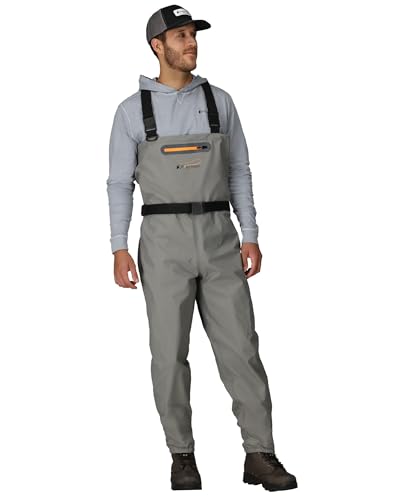
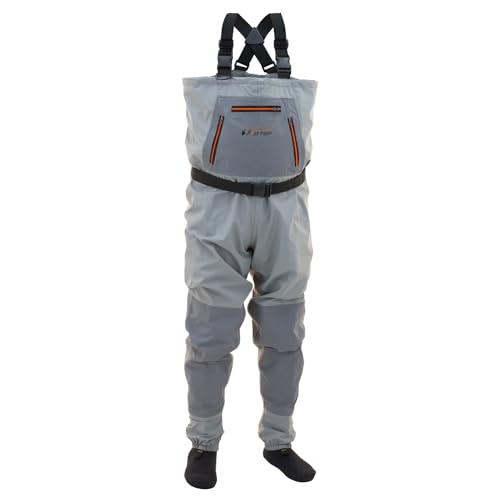
Breathable Waders
Lightweight, packable, moisture-wicking fabric for comfort in warmer conditions.
Spring through fall fishing, walking to spots, active wading
Gore-Tex, Toray, or similar breathable membranes
50-75F water / 55-85F air
- ✓Lightweight
- ✓Packable
- ✓Comfortable for long sessions
- ✓Allows moisture to escape
- ✓Versatile
- ⚠Less warm than neoprene
- ⚠Less durable
- ⚠Requires careful puncture prevention
Neoprene Waders
Insulating wetsuit-style material for cold water and winter fishing.
Late fall through spring, cold water, minimal walking
3.5-5mm neoprene foam
35-55F water / 20-60F air
- ✓Excellent insulation
- ✓Very durable
- ✓Self-sealing punctures
- ✓Warmer even when wet
- ⚠Heavy
- ⚠Not breathable
- ⚠Hot in warm weather
- ⚠Bulky to pack
Hybrid Waders
Neoprene bottom/breathable top combination for extended temperature range.
Transitional seasons, anglers who want one pair
Neoprene legs with breathable upper
40-65F water
- ✓Warm legs, breathable torso
- ✓Good temperature range
- ✓Single pair versatility
- ⚠Compromise of both types
- ⚠Not ideal for extremes
- ⚠Less common/harder to find
Bootfoot vs Stockingfoot
Bootfoot
Boot permanently attached to wader
- ✓Easy on/off
- ✓Watertight seal
- ✓No separate purchase needed
- ✓Less maintenance
- ⚠Less custom fit
- ⚠Harder to dry
- ⚠Boot wears out with wader
Best for: Casual surf anglers, sandy beaches, quick sessions
Stockingfoot
Neoprene bootie with separate wading boots
- ✓Better ankle support
- ✓Custom fit options
- ✓Boots last longer
- ✓Easier to dry
- ⚠More expensive (boots extra)
- ⚠More setup time
- ⚠More to carry
Best for: Serious surf fishermen, rocky jetties, long sessions
Boot Sole Recommendations for NJ
Rubber with Studs
Best for NJ - grips sand, rocks, and slimy jetties. Add-on studs available.
Recommended
Felt Soles
Good grip on rocks but banned in some areas. Gets slippery when sandy.
Check local rules
Plain Rubber
Acceptable for sandy beaches only. Dangerous on wet rocks and jetties.
Limited use
NJ Seasonal Wader Guide
| Season | Water Temp | Wader Type | Layers | Notes |
|---|---|---|---|---|
| Spring (Mar-May) | 45-58F | Neoprene or hybrid | Heavy fleece, wool socks | Water still cold, air warming |
| Early Summer (Jun) | 58-68F | Breathable | Light layers, moisture-wicking | Comfortable conditions |
| Mid-Summer (Jul-Aug) | 68-76F | Breathable or wetsuit | Minimal - shorts/rashguard | Many skip waders entirely |
| Fall (Sep-Nov) | 55-68F | Breathable to neoprene | Increase as season progresses | Prime striper season |
| Winter (Dec-Feb) | 38-48F | Neoprene (4-5mm) | Maximum layering, wool | Limit time in water |
Pro tip: NJ striper fishing peaks in fall when water is 55-65F. This is the sweet spot for breathable waders with medium layering - comfortable enough for all-day sessions.
Key Features for Surf Fishing
Gravel Guards
EssentialKeeps sand and debris out of boots. Critical for NJ beaches where sand gets everywhere.
Reinforced Knees
ImportantProtects when kneeling on rocks or hard-packed sand. Extends wader life significantly.
Wading Belt
Essential (Safety)Prevents waders from filling with water if you fall. Always wear it cinched tight.
Fleece-Lined Pockets
Nice to haveHandwarmer pockets for cold morning sessions. Very useful in NJ fall/winter.
Suspenders/Straps
EssentialAdjustable, comfortable straps that hold waders up without restricting movement.
Front Zipper
ConvenienceQuick bathroom breaks without removing the entire wader. Worth the extra cost.
Wading Safety Essentials
NJ surf can be deceptively dangerous. Even experienced anglers have drowned when waders filled with water. Follow these rules every time:
Always Wear a Belt
A wading belt prevents water from filling your waders if you fall. Cinch it tight at your waist. This is non-negotiable.
Know the Exit
Always have an exit plan. If current pushes you, where will you exit? Scout the beach before wading deep.
Watch Tides
Incoming tides can trap you against jetties. Always know the tide schedule and give yourself time to exit.
Never Alone
Wade with a buddy when possible. At minimum, tell someone where you're fishing and when you'll return.
If you fall: Stay calm, don't fight the waders. The belt should keep air trapped. Swim to shore or shallow water, then stand. If waders fill, they become heavy anchors - release suspenders if needed.
Sizing Guide
How to Size Waders
- 1.Measure your inseam (crotch to floor)
- 2.Know your boot size (add 1 size for wading boots/thick socks)
- 3.Consider your build - stocky vs slim fits available
- 4.Allow room for layers underneath (especially neoprene)
Fit Tips
- ✓Kneel down - waders should not pull tight at crotch
- ✓Lift knee to chest - should move freely
- ✓Some extra length is better than too short
- ⚠Too loose in legs catches water and creates drag
Budget Guide
Entry Level
$75-150Basic neoprene bootfoot waders. Good for occasional fishing and testing if you enjoy surf wading.
- • Serviceable for 1-2 seasons
- • Basic seam construction
- • Limited features
Mid-Range
$200-350Quality breathable waders with good construction. Best value for regular surf fishermen.
- • 3-5 year lifespan typical
- • Sealed seams, good fabric
- • Useful features included
Recommended for NJ surf anglers
Premium
$400+Top-tier breathable waders with premium fabrics, construction, and features. Built for daily use.
- • Simms, Patagonia, Orvis
- • 5-7+ year lifespan
- • Repairable/serviceable
Wader Care Tips
After Each Use
- • Rinse inside and out
- • Hang to dry inside-out
- • Dry boots separately
Monthly
- • Inspect seams for wear
- • Check bootfoot soles
- • Test for leaks
Leak Testing
- • Fill with water inside-out
- • Look for drips/wet spots
- • Mark leaks with tape
Storage
- • Hang or lay flat
- • Cool, dry location
- • Never fold long-term
Surf Fishing Reports & Gear Tips
Get weekly fishing reports, gear reviews, and exclusive deals for NJ surf anglers.
No spam. Unsubscribe anytime.
Wader FAQs
Do I need chest waders or hip waders for surf fishing?▼
Chest waders are essential for NJ surf fishing. You will often wade waist-deep or higher to reach productive water beyond the breakers. Hip waders work for calm back bays but limit your range in the surf. Chest waders also keep you dry when waves splash higher than expected.
What type of waders are best for NJ surf fishing?▼
Breathable waders are ideal for NJ spring through fall fishing when temperatures allow comfortable wear. Neoprene waders (3.5-5mm) are better for late fall through early spring when water drops below 50F. Many NJ anglers own both types to cover all seasons.
Should I get bootfoot or stockingfoot waders?▼
Bootfoot waders are simpler and faster to put on - great for casual surf anglers. Stockingfoot waders with separate wading boots offer better ankle support, more custom fit, and are easier to dry out. Stockingfoot is preferred by serious surf fishermen who wade rocky jetties.
What boot sole is best for NJ beaches?▼
Rubber soles with studs work best for NJ surf fishing - they grip in sand, on wet rocks, and on slimy jetties. Felt soles are banned in some areas due to invasive species concerns and get slippery on rocks. Cleated rubber is the most versatile choice for NJ conditions.
How do I size waders correctly?▼
Waders are sized by shoe size and inseam. Measure your shoe size in wading boots (typically one size up from street shoes). For stockingfoot waders, size for the neoprene booties to fit comfortably with thick socks. Leave room for layering underneath in cold water seasons.
How do I care for waders to make them last?▼
Rinse with fresh water after every saltwater use. Hang to dry inside-out away from direct sun. Store flat or hanging - never folded. Check seams monthly for leaks using the water test method. Repair small punctures immediately with wader repair cement before they spread.
Related Guides
More Fishing Content
Some links on this page are affiliate links. We may earn a commission if you make a purchase, at no extra cost to you.
Learn more →